
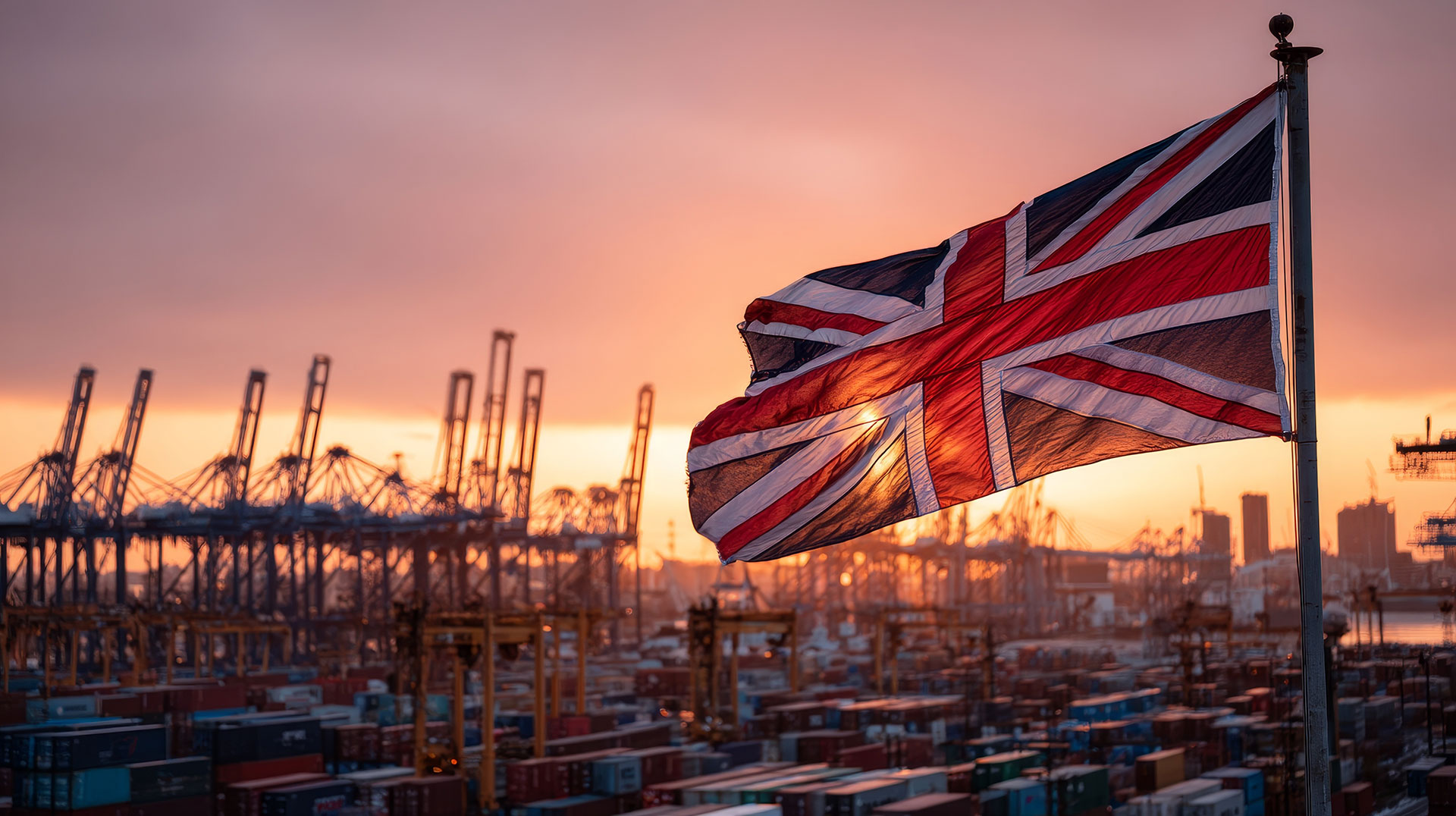
From July 2026, every tonne of carbon emitted at a UK berth carries a price tag. For ports, this means green infrastructure is moving from an optional ESG goal to a core commercial requirement.
The end of “wait and see”?
“This is a milestone for UK maritime and its effort to decarbonise,” says Stephen Rees, Commercial Director in Seacap.
He believes that the maritime ETS can help end the ‘wait and see’ mentality that so often stalls big infrastructure projects within UK ports. For the first time, every tonne of carbon emitted at berth has a transparent price tag, which fundamentally changes the investment case. Now, ports and operators can move from policy discussions to practical, commercial decisions.
“In my view, the ETS is a significant opportunity for ports to evolve and align with their Environmental, Social, and Governance (ESG) targets and the clean-air goals of their local communities. At the same time, having an onshore power supply (OPS) is becoming a competitive necessity. If a port can’t offer this, berthing there becomes more expensive for shipowners, and the port risks losing vessel calls,” Rees highlights.
Breaking the CAPEX barrier
Of course, knowing where to go is one thing. Getting there is another.
“When we talk to port leaders about the opportunities of the ETS, the conversation naturally turns to the constraints,” Rees reports.
Despite the clear regulatory signal, the transition to shore power and decarbonised berths still faces key hurdles: the availability of upfront capital (CAPEX), long grid connection timelines, and the relative cost of electricity in the UK. In particular, VAT treatment on shore power can make it less competitive than traditional marine fuels – an area currently under active review by Government and industry bodies.
Access to capital is often the biggest hurdle. However, as a specialised funding partner for green port facilities, backed by a leading European infrastructure investor, Seacap was established to remove this CAPEX barrier.
“By converting what would be a massive upfront investment into a manageable and predictable long-term operational structure, we help ports accelerate their plans without straining their balance sheets. In addition to removing the CAPEX barrier, partnering with Seacap also allows the ports to keep full control of design, EPC, operations, and revenue, while enabling faster delivery and ensuring a strong focus on making projects commercially viable,” says Rees.
The off-grid workaround
With a technology-agnostic approach, Seacap supports everything from targeted upgrades like shore power facilities (OPS) and quay electrification, to complete port developments with quays, logistics facilities, and fully integrated port energy hubs – including renewable generation, storage, and zero-emission infrastructure. The latter involves moving away from a total reliance on the national grid.
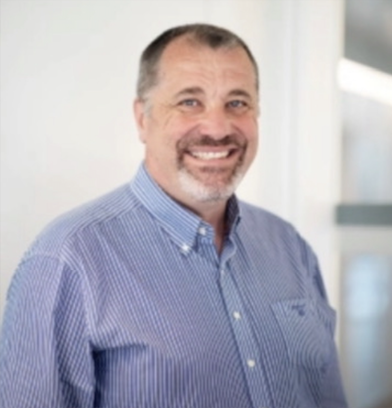
“Ports don’t necessarily have to wait years for a massive new grid connection to provide the power their customers need. By integrating on-site renewables and battery storage, ports can effectively create their own microgrids. Building these energy hubs directly at the ports provides energy security and carbon reduction, and they can materially reduce energy costs and improve long-term price certainty for both ports and vessel operators,” Rees explains.
With 34 years’ technical, commercial, and strategic experience across the energy, building, and EV industries, Rees joined Seacap last year. He was drawn to the company’s unique port funding model, which combines long-term capital with a structure that allows ports to keep full control. This approach aligns closely with his own experience in funded infrastructure solutions.
“I strongly believe the ETS should be viewed as a catalyst rather than a hurdle. For ports that act now – both within and outside the EU – the reward is not just meeting environmental targets, but strengthening competitiveness, attracting vessel traffic, and building a more resilient long-term commercial position.”