
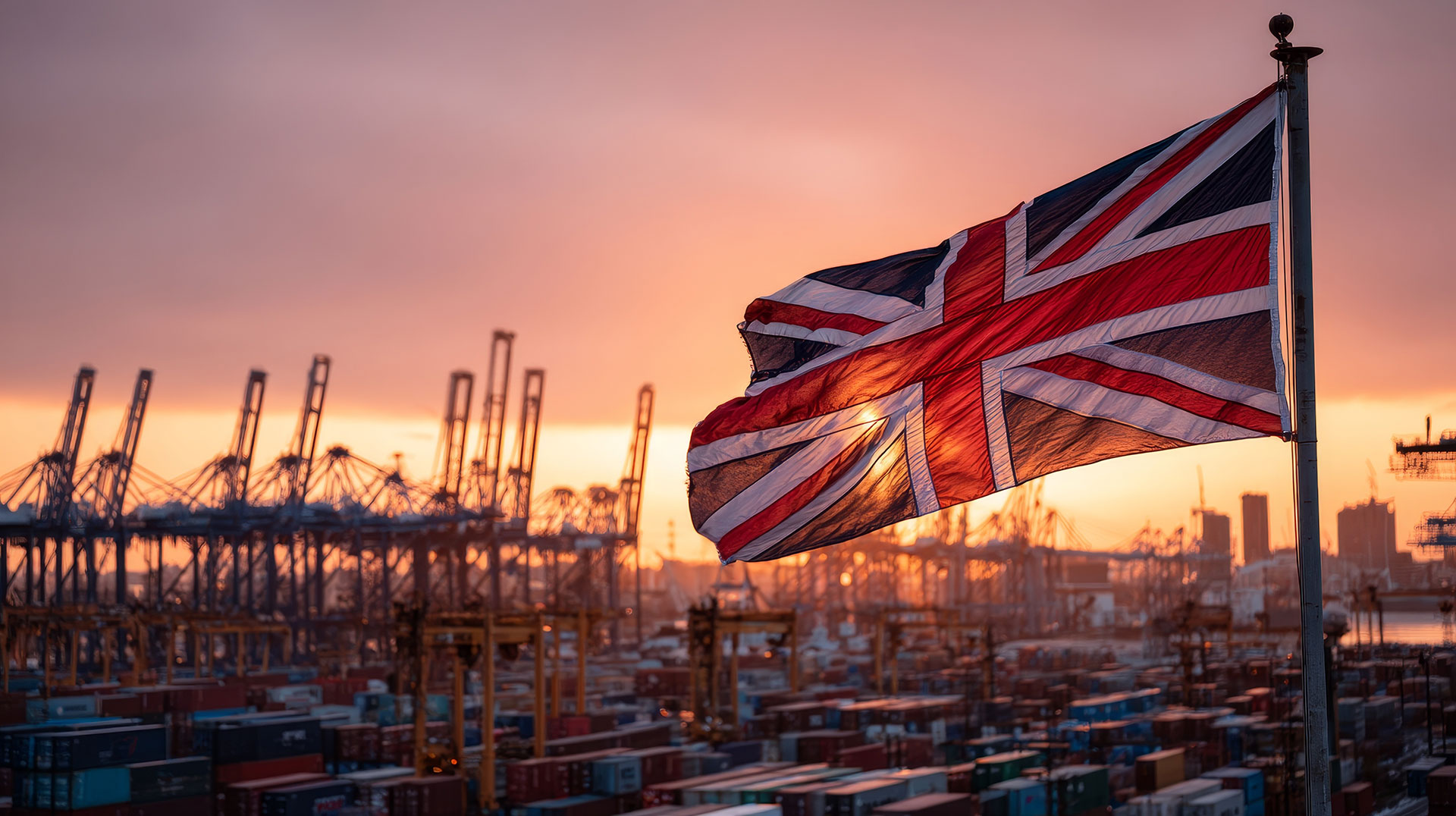
Date 1. July 2026 is probably already a red flag for most British port operators. While the EU is opting for a gradual phase-in of its maritime ETS, the UK is going for a more direct approach. Without transitional arrangements, the sector receives a clear and immediate price signal from day one.
The end of “wait and see”?
– “This is a watershed moment for the UK maritime sector and its efforts to cut emissions,” says Stephen Rees, Commercial Director at Seacap.
He believes the quota system can help to remove the “wait and see” attitude that often halts major infrastructure projects in British ports. When emissions at the quayside are given a clear price tag, the economic basis for investments changes radically. Ports and operators must now move from strategic discussions to practical, commercial decisions.
– ETS gives ports a real opportunity to develop in line with both their own ESG goals and the local environment’s demands for cleaner air. At the same time, shore power (PPP) is becoming a requirement to be competitive. Without such a service, calls will be more expensive for shipping companies, and the port simply risks losing traffic,” says Rees.
Breaking the CAPEX barrier
Knowing where you’re going is one thing. Getting there is something else.
“When we talk to port leaders about the opportunities of the ETS, the conversation naturally turns to the constraints,” Rees reports.
Despite the clear signals from the authorities, the transition to shore power and decarbonized quayside facilities is being held back by three main factors: Access to capital (CAPEX), long waiting times for grid connection and electricity prices in the UK market. In particular, the VAT treatment of shore power is a critical point that currently weakens competitiveness against traditional fuel – a topic that is now under consideration by the British authorities.
Access to capital is often the biggest obstacle. As a specialized financing partner, backed by a leading European infrastructure investor, Seacap was established precisely to remove this barrier in the port sector.
– We turn a massive one-off investment into a predictable, long-term operating cost. In this way, ports can accelerate their plans without putting unnecessary strain on the balance sheet. Through its partnership with Seacap, the port also retains full control over design, engineering, procurement, construction, operations and revenue. At the same time, we contribute to faster project delivery and a strong and consistent focus on making the developments commercially sustainable,” says Rees.
The off-grid workaround
Seacap is technology-neutral and finances everything from targeted upgrades, such as the establishment of shore power, to complete port developments with quays, logistics facilities and integrated energy hubs with renewable energy production, storage and zero-emission infrastructure. Such energy hubs reduce dependence on the national grid.
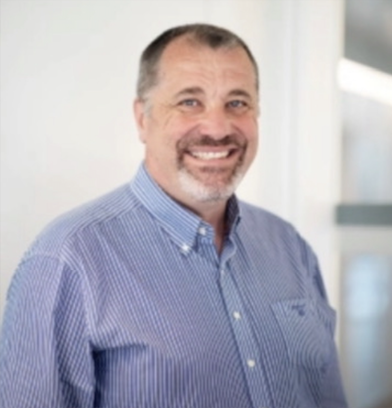
– Ports don’t necessarily have to wait years for a major expansion of network capacity. By integrating local renewable energy production and battery storage, they can effectively create their own microgrids. These not only provide increased energy security and lower emissions, they can also significantly lower energy costs and ensure increased long-term price predictability for both ports and shipping companies,” explains Rees.
With 34 years of technical, commercial and strategic experience in the energy and infrastructure sector, Rees joined Seacap last year. The company’s unique financing model, which combines long-term capital with a structure that allows ports to retain full control, was important for his entry. This approach is closely related to his own experience in financed infrastructure solutions
– I am convinced that ETS should be seen as a catalyst rather than an obstacle. For ports that act now – both inside and outside the EU – the rewards are greater than just meeting environmental targets. They will also strengthen competitiveness, attract traffic and build a more resilient commercial position in the long term.